
.jpeg?w=3456&h=2304)
Using a headlamp the right way can make a huge difference when you’re outdoors or working in low-light areas. Adjusting brightness for different conditions helps you see clearly, save battery, and avoid straining your eyes. This guide will walk you through how to set your headlamp brightness for hiking, camping, work, and emergencies, giving you practical tips you can apply immediately.
Understanding Headlamp Brightness Levels
What Headlamp Lumens Mean
Lumens measure the total light output of your headlamp. The higher the lumens, the brighter the light. Knowing this helps you choose the right brightness for your activity. Low lumens are good for close tasks, while high lumens illuminate distant areas efficiently.
Different Modes On Modern Headlamps
Modern headlamps often come with multiple modes like low, medium, high, and strobe. Each mode serves a purpose. Low mode conserves battery, medium gives balanced light, and high ensures maximum visibility. Strobe or flashing can be used for emergencies.
Importance Of Adjustable Brightness
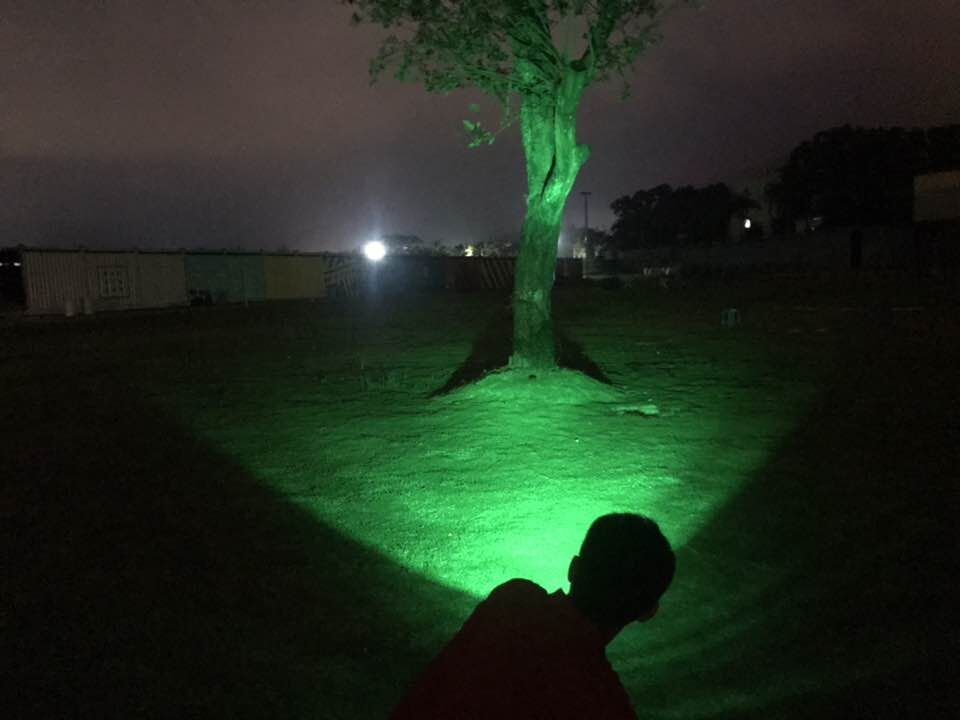
Adjustable brightness lets you use your headlamp without wasting battery. You can dim it for reading or close-up tasks, and increase it when you need to see far ahead. This keeps your eyes comfortable and extends battery life. Models like HP300, HP330, HP340, HP350, HP360, HP500, and other H-series headlamps give you flexible lighting for any situation. Whether you’re hiking, camping, or working in the dark, these headlamps provide just the right light when you need it, making your activities easier and more enjoyable.
Battery Life Impact
The brighter you set your headlamp, the faster it drains the battery. Understanding this helps you plan your usage. For longer trips, start on low or medium settings and only use high brightness when necessary. This way, your headlamp stays reliable throughout your activity.
Headlamp Beam Patterns
Beam patterns affect how light spreads. Spot beams focus on a small area for distance, while flood beams illuminate wider areas. Choosing the right pattern with appropriate brightness ensures you see exactly what you need without wasting energy.
Adjusting Headlamp Brightness for Hiking
Using Low Brightness For Trail Navigation
On well-marked trails, low brightness is enough. It preserves night vision and avoids disturbing wildlife. Using a headlamp at low settings allows you to see your path clearly without overwhelming your eyes or draining the battery quickly.
Medium Brightness For Uneven Terrain
When trails are rocky or uneven, medium brightness is ideal. It gives enough light to spot obstacles while maintaining longer battery life. Adjust your headlamp to medium when navigating moderate terrain to stay safe and comfortable.
High Brightness For Long-Distance Visibility
High brightness is useful for spotting distant trail markers or potential hazards. If you’re hiking in unfamiliar areas, increase your headlamp brightness to see further ahead. Remember to lower it when approaching others to avoid glare.
Switching Modes Quickly On The Trail
Some headlamps let you change modes with a simple click. Knowing how to switch quickly helps you adapt to sudden darkness or obstacles. Practice using these buttons before your hike so adjustments are smooth and intuitive.
Night Vision Preservation Techniques
Red light or dim modes help preserve night vision. Using a headlamp with red light ensures your eyes adjust to the dark, making it easier to see your surroundings without a harsh glare or unnecessary brightness.
Adjusting Headlamp Brightness for Camping
Low Brightness For Campsite Tasks
For cooking, setting up a tent, or reading, low brightness is sufficient. Your headlamp provides enough light to see clearly while keeping the atmosphere calm and conserving battery for later activities.
Medium Brightness For General Movement
Moving around your campsite safely requires medium brightness. It illuminates your path without being too intense. Adjust your headlamp to this level to prevent tripping and ensure smooth navigation.
High Brightness For Emergency Situations
High brightness is important for spotting wildlife or signaling in emergencies. Your headlamp can act as a safety tool. Keep the high mode accessible but avoid using it constantly to save power.
Dimming To Avoid Disturbing Others
If you share a campsite, dimming your headlamp prevents disturbing others’ sleep. Even small adjustments can make a difference. Focus light only where needed to stay considerate while maintaining visibility.
Combining Red And White Light
Using red and white light strategically allows better night vision while still providing sufficient illumination. Your headlamp can switch between modes, making it versatile for reading maps, moving around, or performing tasks in the dark.
-0.jpeg?w=3456&h=2304)
Adjusting Headlamp Brightness for Work And Repairs
Low Brightness For Close-Up Tasks
For detailed work, low brightness is ideal. A headlamp set at low allows you to focus on small areas without glare. This is perfect for checking tools or reading instructions in low-light environments.
Medium Brightness For Moderate Lighting
Medium brightness provides enough light to see the workspace clearly without overwhelming reflections. Adjust your headlamp for balanced visibility when inspecting equipment or performing moderate repairs.
High Brightness For Dark Work Areas
High brightness is necessary in completely dark areas. Your headlamp can light up an entire workspace, making tasks like vehicle repair or construction easier. Use high mode only when needed to conserve battery.
Angle And Position Adjustment
Tilting your headlamp helps direct light exactly where it’s needed. Combining proper brightness with positioning reduces shadows and improves clarity for work tasks, keeping both hands free for efficiency.
Using Beam Spread Efficiently
Adjust beam spread to match your task. Wide beams cover large areas, while focused beams highlight small details. A headlamp with adjustable beams enhances work precision and prevents wasted light.
Adjusting Headlamp Brightness For Outdoor Safety
Nighttime Jogging And Cycling
Moderate brightness ensures you’re visible to others and see obstacles clearly. A headlamp set at the right level balances safety and battery efficiency while preventing glare that could blind oncoming traffic.
Hiking In Fog Or Rain
Fog or rain scatters light, so reduce brightness slightly to prevent reflection and glare. Adjust your headlamp beam for better penetration, helping you see the path ahead more clearly.
Emergency Signaling With Headlamp
Use flashing or strobe modes to attract attention in emergencies. Your headlamp becomes a signaling tool. Knowing how to switch modes quickly can be critical for safety.
Avoiding Temporary Blind Spots
Adjusting both angle and brightness prevents self-glare. A headlamp aimed too high can blind you, while too low leaves shadows. Proper settings ensure consistent, comfortable visibility.
Wildlife Considerations
Bright light can disturb animals. Adjust your headlamp to lower settings in natural habitats to avoid startling wildlife, maintaining both safety and environmental respect.
Common Mistakes When Adjusting Headlamp Brightness
Using Maximum Brightness Constantly
Keeping your headlamp on full brightness drains batteries fast and can blind others. Adjust to the light level you actually need, saving power and improving comfort.
Not Considering Battery Life
Ignoring battery consumption risks running out in critical moments. Plan ahead by using low or medium brightness first, only increasing to high when necessary.
Ignoring Environment Conditions
Fog, rain, or snow affect light performance. Your headlamp should be adjusted to match the environment, reducing glare and improving visibility.
Improper Beam Angle
Incorrect tilt causes shadows or uneven light coverage. Adjust your headlamp to focus on your path or task, keeping visibility consistent.
Forgetting Night Vision Tips
Neglecting red light or low settings can strain eyes. Proper use of a headlamp in night mode preserves vision, making outdoor activities safer.
Tips For Maintaining Optimal Headlamp Performance
Regularly Cleaning Lens And Housing
Dust and dirt reduce light output. Cleaning your headlamp ensures maximum brightness and clarity, keeping your light reliable whenever you need it.
Checking And Replacing Batteries
Old batteries may fail unexpectedly. Keep your headlamp ready by checking and replacing batteries before trips, ensuring consistent performance.
Storing Headlamp Correctly
Store your headlamp in a cool, dry place to prevent battery drain and damage. Proper storage extends the lifespan and keeps the device ready for use.
Testing Brightness Settings Before Trips
Familiarize yourself with your headlamp before heading out. Testing brightness modes ensures you can switch quickly and efficiently in the dark.
Upgrading To Modern Headlamps
Modern headlamps offer adjustable beams and efficient battery use. Upgrading ensures you have reliable brightness options for any situation.
Conclusion
Properly adjusting your headlamp brightness enhances safety, comfort, and battery efficiency across all activities, from hiking and camping to work and emergencies. Choosing the right mode for your environment preserves night vision, reduces glare, and keeps your path illuminated. For dependable lighting solutions, explore Boruit’s wide range of headlamps, flashlights, bike lights, and Underwater Flashlight, designed to adapt to any condition and help you see clearly wherever you go.
Related Reading: