
.png?w=1536&h=1152)
Using a headlamp might seem simple, but to get the best experience, it's helpful to understand how to wear it correctly, use its features, and maintain it for long-term use. Whether you're hiking, working, or preparing for emergencies, knowing how to use a LED headlamp the right way can make a big difference. This guide will walk you through everything you need to know, even if you're a complete beginner.
What Is a Headlamp and Why Use One?
Basic Definition and Common Uses
A LED headlamp is a hands-free lighting device worn on your forehead, usually with an adjustable strap. It provides light wherever you're facing. People commonly use headlamps for outdoor activities, repairs, and during emergencies when both hands need to be free.
Benefits of Hands-Free Lighting
The biggest advantage of using a LED headlamp is that it lets you move around freely without holding a flashlight. This is especially useful when hiking at night, fixing things in dark spaces, or during power outages. It keeps your hands available for other tasks.
When Should You Use a Headlamp?
Outdoor Activities Like Camping and Hiking
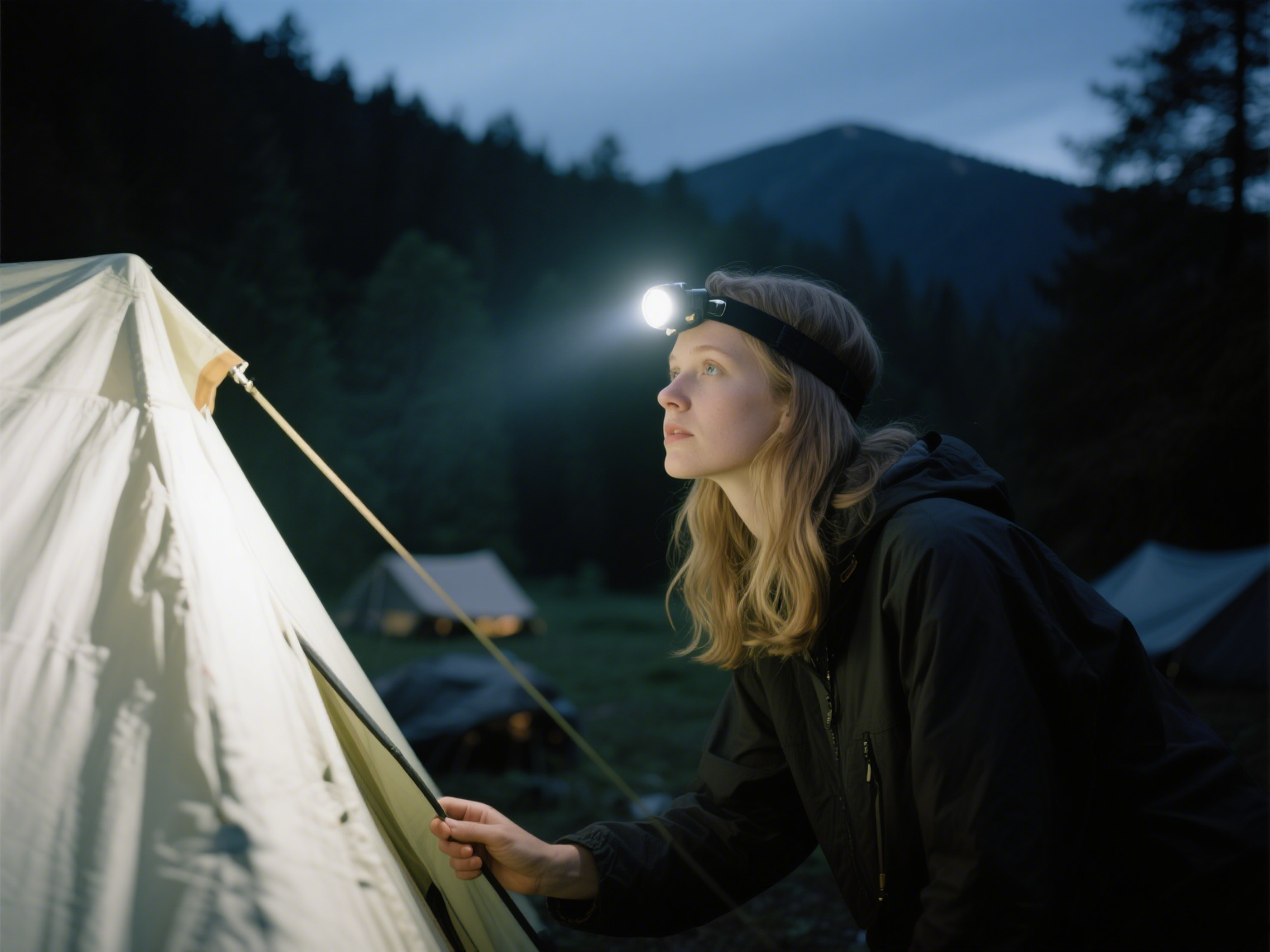
When you're outdoors in low light, a headlamp helps you see the path clearly while keeping your hands free for walking poles or gear. It’s lightweight and easy to wear for long periods, which is ideal for activities like hiking or night fishing.
Emergency and Power Outage Situations
During unexpected power outages, a LED headlamp is a quick and reliable source of light. You can wear it while walking around your home, checking the fuse box, or helping others in the dark. It’s more practical than carrying a regular flashlight.
Work and Home Repair Tasks
A headlamp is especially handy when you have both hands full, such as fixing a sink, checking a car engine, or checking wires around a corner. It provides a clear, focused beam so you can see every detail without having to free up your hands for a flashlight. Models like the HP350, HP360, HP500, and the lightweight GT10, GT20, and GT30 sensor headlamps are all good choices.
How to Properly Wear a Headlamp
Adjusting the Strap for Comfort
How Do I Adjust the Strap on a Headlamp?Start by loosening or tightening the strap until the LED headlamp fits snugly but doesn’t feel tight. It should stay in place when you move but not press too hard on your forehead. A well-fitted strap ensures comfort during long use.
Positioning the Beam Angle Correctly
Most headlamps have a hinge that lets you tilt the light up or down. Aim the beam slightly ahead of your feet when walking, or directly at your task when working. This helps you avoid shining the light in others’ eyes and improves visibility.
Wearing Over a Hat or Helmet
If you’re wearing a hat or helmet, place the strap around it securely. Make sure the LED headlamp doesn’t shift or slide. Some helmets have clips or grooves to hold the strap in place. Check that the light stays aimed where you need it.

How to Turn On and Use the Functions of Your Headlamp
Power Button and Light Modes
Most headlamps have one main power button. Press it to turn on the light and cycle through modes. Common modes include low, medium, and high brightness. Some also have special features like SOS or strobe for signaling in emergencies.
Switching Between White, Red, and Strobe Modes
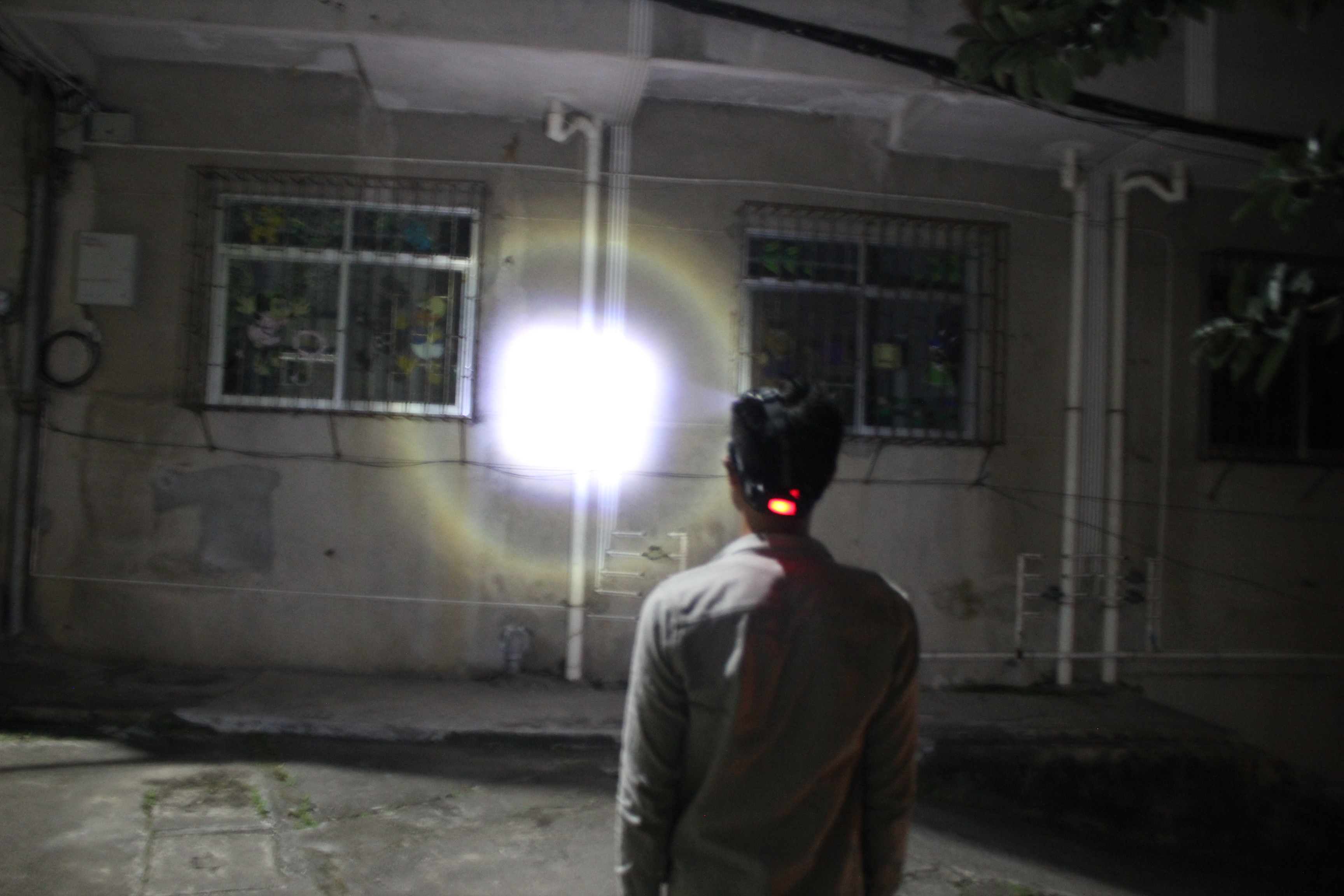
White light is best for general use. Red light preserves night vision and is great for reading maps or not disturbing others. Strobe mode can be used for signaling or emergencies. Tap the button to switch modes based on your needs.
Adjusting Brightness Levels for Different Needs
Use low brightness for close-up tasks or saving battery. Choose higher settings for walking in the dark or scanning a large area. Knowing when to adjust the brightness helps you get the most out of your LED headlamp and avoids draining the battery too quickly.
How to Charge or Replace the Battery in a Headlamp
Identifying Battery Type (Rechargeable or Replaceable)
Check if your headlamp uses built-in rechargeable batteries or standard replaceable ones. This information is usually in the user manual or marked on the headlamp. Always use the correct battery type to avoid damage.
Safe Charging Tips for USB Models
For USB-rechargeable headlamps, use the included cable and plug into a standard charger. Avoid overcharging by unplugging once it’s full. Charging indicators often show red while charging and green when done. Don’t charge in wet conditions.
Replacing Traditional Batteries Safely
If your headlamp uses AA or AAA batteries, open the compartment carefully. Insert batteries in the correct direction, as shown inside the cap. Close it securely to keep moisture out. Store extra batteries in a dry place for emergencies.

Tips for Getting the Most Out of Your Headlamp
Choosing the Right Beam for the Task
Wide beams are great for general use like walking or cooking. Narrow, focused beams work better for spotting objects or navigating trails. Choose the beam type based on your environment for better results.
Extending Battery Life During Use
Turn off your headlamp when you don’t need it. Use lower brightness levels when possible. Avoid using turbo modes for long periods. Carry spare batteries or a portable charger if you’ll be out for a while.
Avoiding Blinding Others Around You
Be mindful of where you’re pointing your headlamp, especially around others. Tilt the beam downward when talking to people. This prevents discomfort and keeps things more polite in group settings.
How to Store and Maintain a Headlamp
Cleaning the Lens and Strap
How Do I Clean a Headlamp?Wipe the lens with a soft cloth to remove dust or smudges. Clean the strap with mild soap and water if it gets sweaty or dirty. Let everything dry fully before storage to prevent mold or mildew.
Storing in Dry, Cool Conditions
Keep your headlamp in a dry, cool place when not in use. Avoid leaving it in hot cars or damp areas. Remove the batteries if you won’t use it for a while. This prevents leakage and extends the life of your device.
Checking for Battery Leaks or Corrosion
Occasionally open the battery compartment to check for signs of rust or leaks. If you notice any, clean it with a cotton swab and a bit of vinegar. Replace damaged batteries immediately to prevent further issues.
Common Mistakes to Avoid When Using a Headlamp
Using the Wrong Mode for the Environment
Each setting on a headlamp is made for a reason. Using a high beam indoors or around others can be uncomfortable. Choose your mode wisely to avoid wasting battery and disturbing people nearby.
Forgetting to Lock the Power Button Before Packing
Some headlamps have a lock mode to prevent turning on by accident in your bag. Use this feature before travel. A headlamp accidentally turned on in your pack could drain the battery without you noticing.
Not Testing Before Outdoor Trips
Always test your headlamp before going out. Check the battery, modes, and strap fit. This simple habit can save you from frustration or being stuck without light when you need it most.
FAQs About Using a Headlamp
Can I Use a Headlamp in the Rain?
Most headlamps are water-resistant and can handle light rain. Look for a model with an IPX4 or higher rating. Still, avoid submerging it in water unless it’s designed for that purpose.
Is a Headlamp Better Than a Flashlight for Running?
Yes, a headlamp is better for running because it keeps your hands free and lights up the path ahead. It also helps others see you in the dark, especially if it has a red rear light for visibility.
How Long Does a Headlamp Battery Usually Last?
Battery life depends on brightness level and battery type. Lower modes can last several hours, while high settings drain faster. Rechargeable headlamps often last one or two nights on a full charge.
Conclusion
A headlamp is a simple but powerful tool that adds convenience and safety to your daily activities. From outdoor adventures to home repairs, using a headlamp the right way helps you stay prepared and hands-free. Remember to test it before each use, adjust it for comfort, and choose the right light mode for the task. If you take good care of your headlamp, it will serve you well for years to come.
If you're looking for reliable lighting solutions, check out Boruit. We offer a wide range of high-quality headlamps, flashlights, bike lights, and even Underwater Flashlight options for diving or fishing. Built for performance and comfort, Boruit products are trusted by outdoor enthusiasts and professionals alike. Light your path the smart way—choose Boruit.