
.jpeg?w=900&h=600)
Camping is all about reconnecting with nature, relaxing away from the digital buzz, and building lasting memories outdoors. But to truly enjoy your time in the wild, you need to come prepared. Whether you're heading to a national park, a beachside campground, or a remote forest, knowing what to bring camping is key. One item you should never leave behind? A reliable flashlight. In this guide, we’ll walk through the most important gear to pack, from sleeping gear to lighting essentials, all with beginner-friendly tips and a focus on what truly matters.
Essential Camping Gear Checklist
Tent, Sleeping Bag, and Sleeping Pad
Start with the basics: a reliable tent to protect you from the elements, a sleeping bag appropriate for the weather, and a sleeping pad to add comfort and insulation from the ground. Choose easy-to-set-up options if you’re new to camping.
Camping Stove and Cookware
You’ll need a compact stove or portable grill for cooking meals. Pack lightweight pots, utensils, and a lighter or matches. Don’t forget a small sponge and biodegradable soap to clean up after you eat.
LED Flashlight and Lighting Essentials
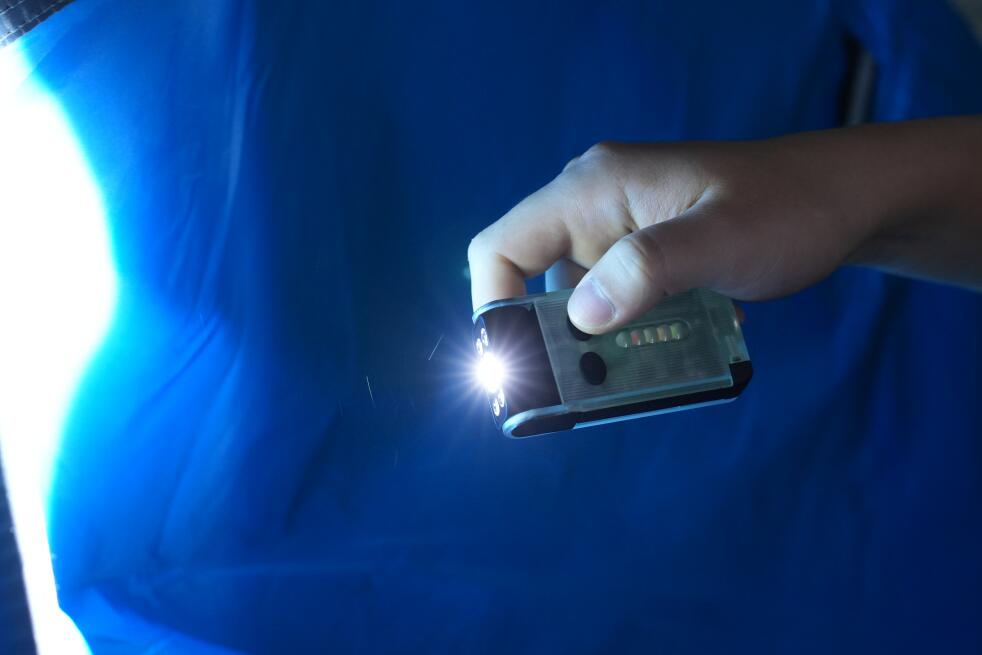
A flashlight is one of the most critical tools in any camping setup. LED flashlights offer bright, energy-efficient light and are great for walking around camp at night. Keep one in your pocket or clipped to your gear so it’s always within reach.
Clothing for Various Weather Conditions
Bring clothing you can layer. Days can be warm, but nights may get cold quickly. Pack moisture-wicking shirts, an insulating layer, and a waterproof outer shell to be prepared for changing weather.
Food, Snacks, and Water Storage
Plan meals ahead of time and pack easy snacks. Bring a cooler if your trip allows. Always carry extra water or a filtration system. Hydration is key, especially if you’ll be active or hiking.
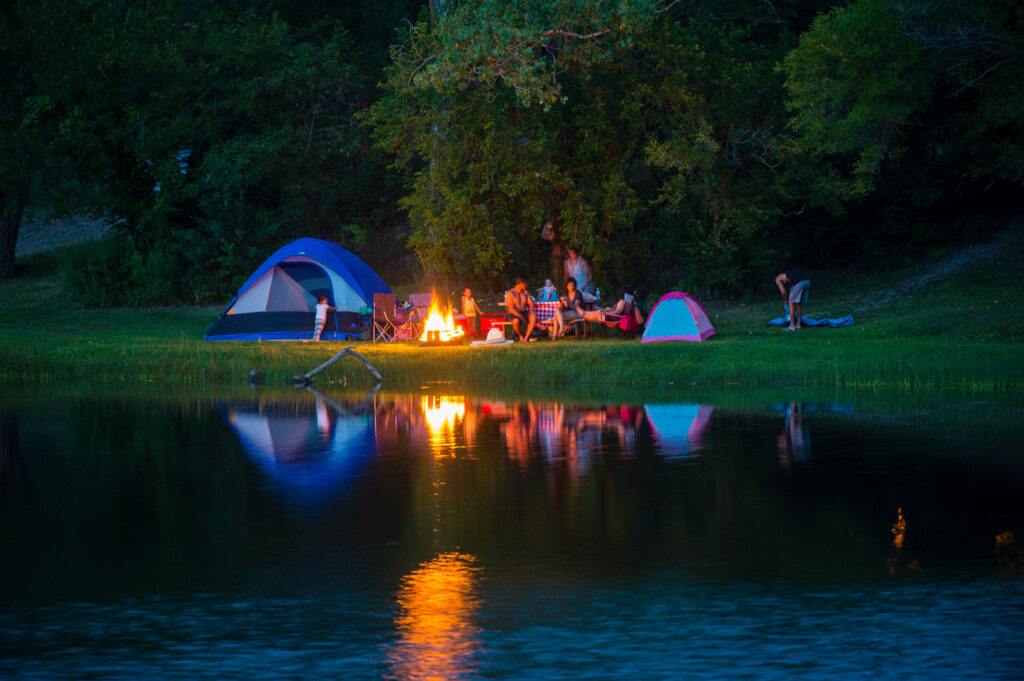
Why an LED Flashlight Is a Must-Have for Camping
Benefits of Using an LED Flashlight Outdoors
Using LED flashlights for outdoor activities not only illuminates the way ahead, but is also an important tool for ensuring safety. They are lightweight, energy-efficient, and suitable for carrying around, especially when hiking, camping, or walking at night. Compared to traditional flashlights, LED models are more resistant to falling, more energy-efficient, and safer to use.
BORUiT has launched a variety of LED flashlights suitable for outdoor use, including U6, U7, V3, V7, V15, V20, V30 and other models, which meet different environments and usage needs and are your intimate assistant every time you go out.
How to Choose the Right LED Flashlight for Camping
Look for a flashlight that fits in your hand, has multiple brightness settings, and is weather-resistant. A model with a rechargeable battery and a clip or strap makes it easier to carry. Focus on practicality over fancy features.
LED Flashlight vs. Headlamp – What’s Better for Camping?
When it comes to outdoor activities, it's important to choose the right lighting tools. While a flashlight is suitable for most daily needs, the advantage of a headlamp is that it is hands-free, especially for cooking or setting up equipment at night. Ideally, it would be more convenient to carry a headlamp and a flashlight together: the headlamp is used to complete the task, while the flashlight can help you illuminate the distant trail or the inside of the tent.
Headlamps such as the GT10 Mini Silicone Headlamp, GT20 Sensor Silicone Headlamp, and GT30 Motion Sensor Headlamp are all good choices. They are compact and versatile, and can meet your different needs in dark environments.
Rechargeable vs. Battery-Powered Flashlights
Rechargeable flashlights save money and waste, especially on longer trips. However, battery-powered options are great as backups. If possible, bring both types, and don’t forget a power bank or spare batteries.
Emergency and Safety Items to Pack
First Aid Kit
Always include a small first aid kit with bandages, ointments, and medications for minor cuts, scrapes, or bites. It’s better to have it and not need it than the other way around.
Fire Starter and Waterproof Matches
Even if you plan to use a stove, having a backup fire-starting method is essential. Pack waterproof matches, a lighter, or a fire starter to ensure you can start a fire when needed.
Backup LED Flashlight and Extra Batteries
Never rely on just one light source. Keep a second flashlight in your pack, plus spare batteries or a charger. Flashlights are essential in emergencies, whether you’re navigating back to camp or signaling for help.
Navigation Tools (Map, Compass, or GPS)
Technology is useful, but it can fail. A physical map and compass serve as reliable backups to GPS devices. Learn the basics of navigation before you go.
Personal Items and Hygiene Essentials
Biodegradable Soap and Towel
Stay fresh without harming nature. Bring a small towel and biodegradable soap for washing up. You can use it for dishes, hands, and even a quick shower if needed.
Toothbrush, Toothpaste, and Wipes
Don’t skip your dental hygiene while camping. Toothbrush, travel-size toothpaste, and wet wipes help you stay clean when there’s no running water.
Bug Spray and Sunscreen
Protect your skin from both bugs and the sun. A good insect repellent and high-SPF sunscreen should be part of every camper’s essentials.
Trash Bags and Toilet Paper
Always leave no trace. Bring enough trash bags to pack out everything you bring in. Toilet paper can double for many uses and should be packed in a sealed bag.
Camping with Kids or Pets – What to Bring
Entertainment and Comfort Items for Kids
Bring books, games, or small toys to keep kids entertained, especially during downtime. Having familiar items can help children adjust to the new environment.
Extra Lighting Like Small LED Flashlights
Kids feel safer with their own flashlight. Choose small LED flashlights with simple switches. It gives them independence and helps them feel involved.
Pet Food, Bowls, and Leashes
If your pet is coming along, bring enough food, collapsible bowls, and a strong leash. Don’t forget waste bags and a blanket or pad for sleeping.
Sleeping Gear for Kids and Pets
Ensure everyone sleeps well by packing proper sleeping bags or pads suited to their size. Familiar items like a kid’s pillow or a pet’s bed can make nights easier.
Nice-to-Have Extras That Improve Your Trip
Camping Chairs and Table
Eating and relaxing is more enjoyable with a foldable chair and table. They make meals easier and give your back a break from sitting on the ground.
Solar Chargers or Power Banks
Staying connected or charging flashlights requires power. A solar panel or power bank can keep your essentials running, especially for longer trips.
LED String Lights for Ambiance
Add a cozy feel to your campsite with small LED string lights. They’re lightweight and give off soft light that makes your space feel welcoming.
Hammocks and Compact Games
For leisure, a hammock offers a great place to rest during the day. Pack compact card games or dice for fun during downtime.
Weather-Based Camping Checklist
What to Bring for Summer Camping
Summer camping means more sun, bugs, and heat. Focus on breathable clothing, sunscreen, a wide-brimmed hat, and a flashlight for late sunsets and navigating dark trails.
What to Bring for Winter Camping
For cold weather, bring insulated sleeping bags, extra layers, and a reliable flashlight that works in low temperatures. Warm gear is key to a safe, comfortable trip.
Rainy Weather Essentials
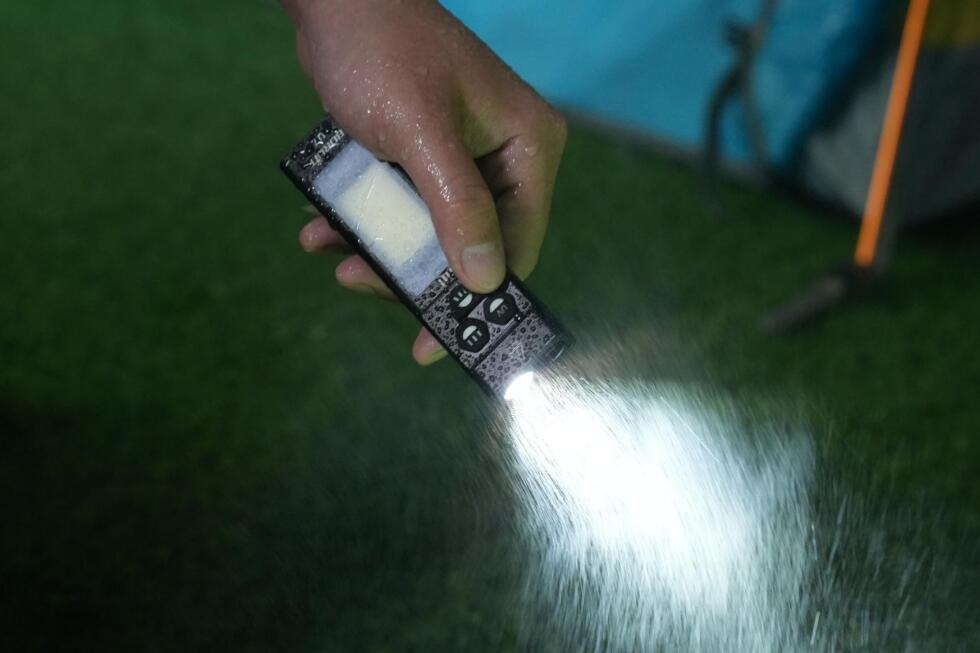
Pack a rain jacket, waterproof bags, and an extra tarp. Your flashlight should be waterproof too, as you may need it to set up or take down gear in wet conditions.
Keeping Warm with LED Lanterns or Flashlights
A flashlight helps when checking on gear or warming up inside your tent. Some LED flashlights come with warm-light settings that offer gentle brightness without draining power.
Final Tips for Packing Your Camping Gear
Using a Checklist for Efficient Packing
Create a packing checklist and check off items as you go. It helps you avoid forgetting essentials like your flashlight or sleeping gear.
Keep Flashlights Easily Accessible
Store your flashlight in an easy-to-reach pocket or on your waist. You’ll likely need it fast when the sun goes down or if something goes bump in the night.
Balancing Weight and Functionality
Don’t overload your pack. Choose gear that’s light but useful. A quality flashlight is worth the weight because of how often you’ll use it.
Packing for Accessibility and Emergencies
Keep important gear, including flashlights, first aid, and snacks, near the top of your bag. You don’t want to dig through everything in a hurry.
Conclusion
Camping is all about preparation and balance—bringing what you need without overpacking. A dependable flashlight remains one of the most crucial tools in your kit, helping you stay safe, see clearly, and move with confidence after dark. At BORUiT, we offer a wide range of LED flashlights, headlamps, bike lights, and even underwater flashlight solutions that are built for real outdoor adventures. Whether you're heading out for a weekend in the woods or a full-on wilderness trek, our lighting tools are designed to perform. Explore our collection today and light up your next trip with gear you can trust.