
.png?w=1536&h=1152)
A headlamp is one of the most reliable tools when camping, hiking, or working in low light. But when it gets wet, many people worry about whether it will still work or get damaged. Knowing the right steps to dry a wet headlamp safely can save you stress, protect your gear, and extend its lifespan.
Understanding Why A Headlamp Gets Wet
Common Causes Of A Wet Headlamp
A headlamp can get wet from rain, accidental splashes, or sweat during outdoor activities. Even humid weather can cause moisture inside. Understanding how water gets in helps you act faster and prevents bigger issues.
Risks Of Using A Wet Headlamp
Using a wet headlamp can cause short circuits or corrosion in the battery area. It may also reduce brightness or shut off completely. More importantly, it could make the headlamp unsafe. Drying it first is always the smarter choice.
Signs That Your Headlamp Has Moisture Inside
You might notice fogging under the lens, dim light output, or difficulty turning the headlamp on. If the battery area feels damp or shows rust, that’s a clear sign of moisture inside. Acting quickly avoids long-term damage.
Safety Precautions Before Drying A Headlamp
Power Off And Remove Batteries
Always turn off your headlamp before drying it. Removing the batteries keeps the circuits safe from water exposure. This step reduces the chance of permanent damage and gives you a safe start to the drying process.
Avoid Direct Heat Sources
Many people think using a hairdryer or heater works, but high heat can warp plastic or damage the lens. A headlamp needs gentle drying methods, so always avoid ovens, microwaves, or open flames when handling wet gear.
Work In A Clean And Dry Environment
Choose a dry place indoors where dust or dirt will not add to the problem. A stable environment helps your headlamp dry naturally and safely. This makes the process smoother and avoids introducing new issues during drying.
Immediate Steps To Take When A Headlamp Gets Wet
Shake Off Excess Water
If your headlamp gets soaked, gently shake it to remove standing water. Be careful not to shake too hard, as you don’t want to damage delicate parts. This step removes surface moisture and prepares it for drying.
Remove Straps And Accessories
Take off any removable straps or clips so they can dry separately. Wet straps can trap moisture against the headlamp body. Separating them speeds up drying and prevents damp fabric from reintroducing water.
Gently Wipe With A Soft Cloth
Use a microfiber or cotton cloth to gently pat the surface dry. Avoid pressing too hard on the lens or buttons. A soft cloth removes surface water without scratching the headlamp’s outer shell or lens.
Methods To Dry A Headlamp Safely
Air Drying In A Ventilated Area
Placing your headlamp in a well-ventilated space allows air to circulate and naturally remove moisture. This is one of the safest ways since it doesn’t involve direct heat. Just give it enough time to dry fully.
Using Silica Gel Or Rice To Absorb Moisture
If moisture is inside, place your headlamp near silica gel packets or uncooked rice. These materials absorb water effectively. This method is useful for internal condensation without exposing the headlamp to heat.
Low-Heat Methods Like A Fan Or Dehumidifier
A steady airflow from a fan or a dehumidifier works well for safe drying. These methods speed up the process without overheating the headlamp. Keep it at a distance so the airflow is gentle and consistent.
Opening The Battery Compartment For Better Airflow
Leave the battery compartment open to help moisture escape. This step allows internal parts to dry faster. Just make sure you keep the area free from dust or debris while it airs out.
How To Prevent Damage During The Drying Process
Why You Should Not Use A Hairdryer Or Oven
Direct heat can easily damage the seals and plastic casing of a headlamp. High temperatures also risk warping the lens. A safe drying method avoids this damage and ensures the headlamp continues working properly.
Protecting The Lens And Reflector
When drying, avoid touching the lens and reflector with sharp or rough items. These parts are delicate and scratches can affect light output. Handle them gently so the headlamp’s performance stays strong.
Avoiding Corrosion On Metal Contacts
Battery contacts are vulnerable to corrosion when wet. Keeping them dry is essential. If you notice moisture there, gently pat with a dry cloth and allow extra time to air out before reinserting batteries.
Testing And Reassembling The Headlamp After Drying
Checking For Residual Moisture
Before using the headlamp again, inspect all areas for signs of leftover moisture. A quick look under the lens and inside the battery compartment ensures it’s ready and safe to use.
Reinstalling Batteries Correctly
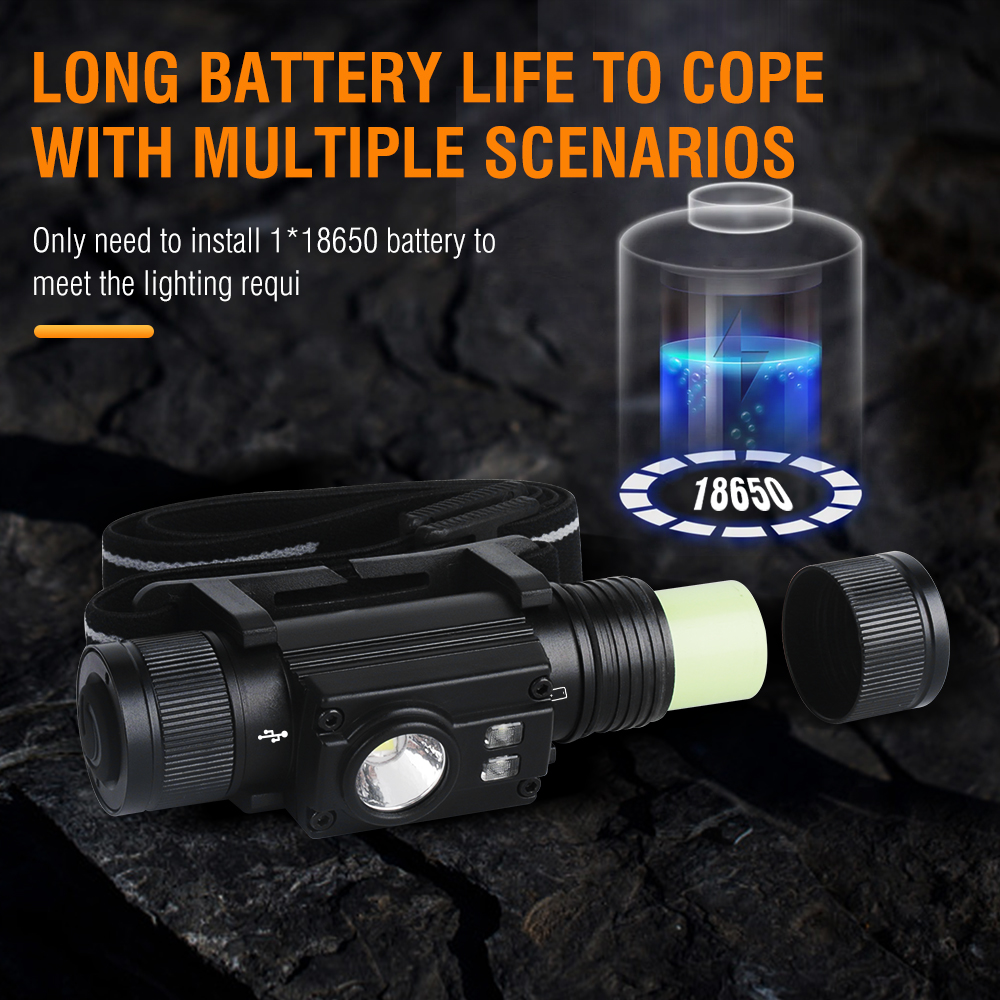
Once dry, put the batteries back in carefully. Make sure they are aligned properly to avoid connection issues. Securely closing the compartment ensures your headlamp is ready for reliable use.
Testing Light Modes Safely
Turn on your headlamp and cycle through its modes. Test each setting to confirm everything works correctly. Doing this confirms the drying process was successful and that the headlamp is safe to rely on again.
Long-Term Tips To Prevent Headlamp Moisture Problems
Proper Storage In Dry Conditions
Keep your headlamp stored in a cool, dry place when not in use. Avoid leaving it in damp areas such as basements or bathrooms. Good storage habits reduce the chance of future moisture buildup.
Using Waterproof Or Water-Resistant Headlamps
If you often face wet conditions, consider a waterproof or water-resistant headlamp. These models are built to handle moisture better. Investing in the right gear means less stress when rain or splashes occur.
Regular Maintenance And Cleaning
Wipe your headlamp after each use and check seals regularly. Small maintenance steps prevent bigger issues later. A clean, well-kept headlamp performs better and lasts much longer.
When choosing a headlamp, different models can meet your needs in various environments. For example, the HP130 is lightweight and portable, perfect for everyday use; the HP300 and HP330 offer more stable outdoor performance; the HP340 and HP350 offer enhanced moisture resistance and durability; and the HP360 and HP500 offer a balance of brightness and long-lasting performance. Regardless of which model you choose, the key to long-term moisture protection is to keep it dry, clean it promptly, and regularly inspect the seals. Incorporating these small habits into your daily routine will ensure your headlamp is reliable and durable in any situation.
Read More:
Conclusion
Drying a wet headlamp safely comes down to patience and the right methods. Always start by turning it off and removing the batteries. Choose gentle drying options like air circulation, silica gel, or a fan, while avoiding direct heat. Once it is fully dry, carefully reinstall the batteries and test all light modes. In the long term, proper storage and maintenance help reduce moisture problems, and investing in water-resistant models adds extra protection.
If you want headlamps you can trust in any environment, Boruit offers durable designs built to last. Our range includes reliable headlamps for outdoor use, powerful flashlights for daily carry, bright bike lights for night riding, and specialized Underwater Flashlight options for diving. With Boruit, you’re always ready—no matter the conditions.
Related Reading: