

Choosing the right headlamp can make a big difference in your outdoor adventures or nighttime tasks. Before buying, it’s important to test its brightness, comfort, and features. This guide will help you understand how to evaluate a headlamp effectively so you pick one that meets your needs and expectations.
Understanding Headlamp Basics
What Is A Headlamp
What Is A Headlamp?A headlamp is a wearable light that sits on your head, leaving your hands free. It is ideal for activities like camping, hiking, biking, or any task that requires illumination while keeping your hands available. Knowing what a headlamp is helps you understand its role and benefits before buying.
Common Headlamp Features
Headlamps come with various features, including multiple brightness settings, adjustable straps, and waterproof designs. Some models include tilt functionality or rechargeable batteries. Identifying these features before testing helps you focus on what matters most for your activities.
Why Testing Matters
Even if a headlamp looks good online, its performance may not meet your expectations. Testing ensures the brightness, comfort, and battery life are suitable. It also helps you avoid spending money on a product that doesn’t work well in real conditions.
Types Of Headlamps Available
Headlamps vary by purpose. Some are lightweight for running, others are rugged for outdoor work, and some offer specialized lighting for biking or underwater use. Understanding the type helps you select a model that matches your intended use.

Checking Brightness And Beam Distance
Understanding Lumens
Lumens measure the light output of a headlamp. Higher lumens produce brighter light, but more isn’t always better for every task. Understanding lumens helps you gauge whether a headlamp will illuminate your surroundings effectively.
How To Measure Beam Distance
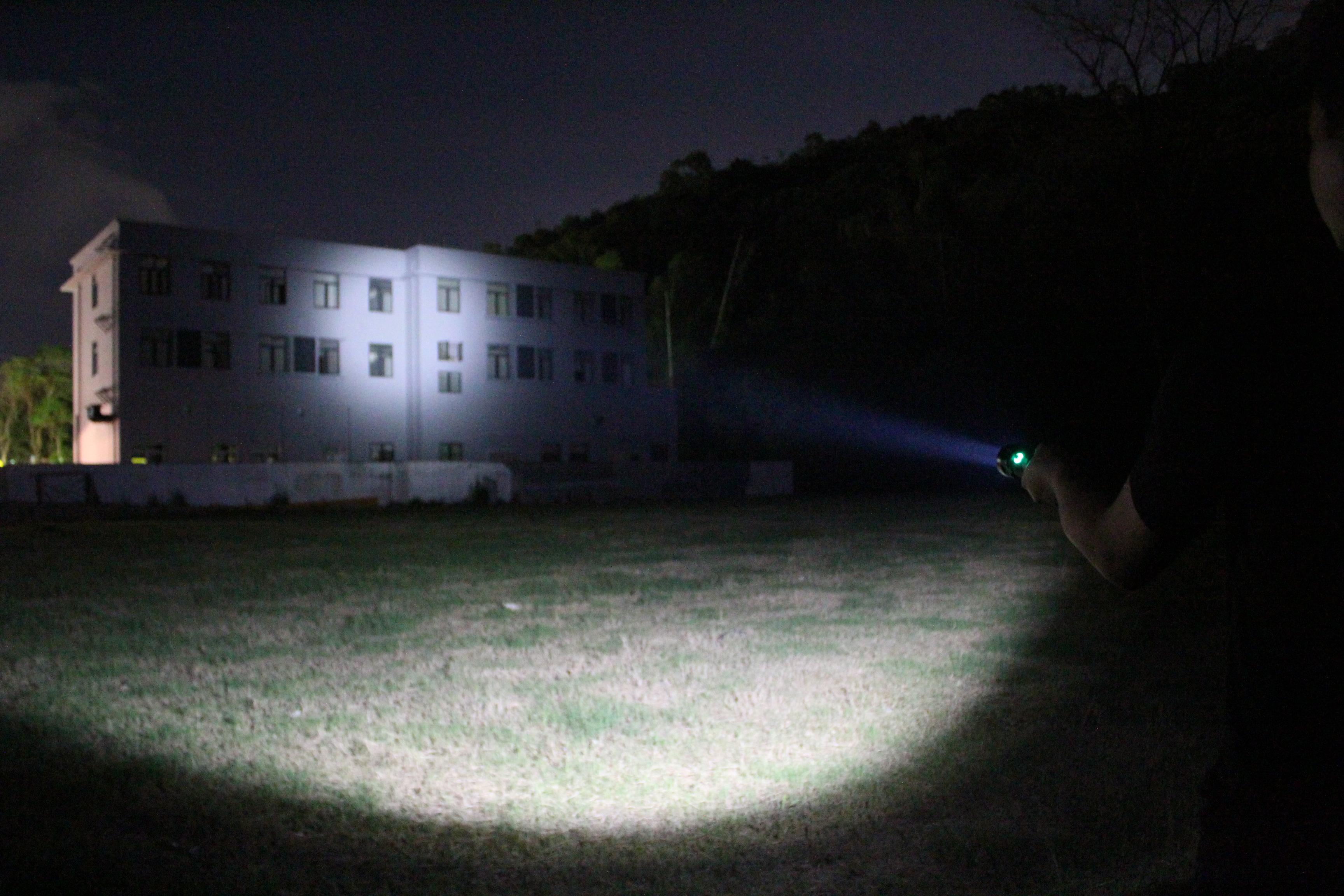
To test beam distance, turn on the headlamp in a dark area and observe how far the light reaches. A good headlamp should cast a consistent beam over the distance you need for your activity, whether it’s close-up work or long-range visibility.
Assessing Light Spread
Whether you're outdoors or working, even lighting is crucial. The HP300, HP330, HP340, HP350, and HP360 series headlamps allow you to easily check whether the beam is broad and even, or focused. Broad and even illumination is most useful for close-range tasks, while a focused beam is more reliable for spotting distant targets. By testing light spread, you can ensure your chosen headlamp meets your needs, ensuring safety, comfort, and convenience for every activity.
Evaluating Different Lighting Modes
Most headlamps offer multiple modes, like high, low, or flashing. Testing each mode helps you see how practical they are. You may need low light for reading or high for trail navigation, so each mode should function reliably.
.jpeg?w=3456&h=2304)
Evaluating Comfort And Fit
Head Strap Adjustability
Test the headlamp strap to make sure it adjusts easily to your head size. Proper adjustment keeps it snug without pressure points, ensuring comfort for long-term wear during outdoor or work activities.
Weight Distribution
A well-balanced headlamp won’t pull forward or slip down. Check how the weight feels on your head; even distribution is crucial to avoid discomfort or fatigue, especially if you wear the headlamp for hours.
Padding And Material Quality
Feel the materials that touch your head. Soft, breathable padding increases comfort and reduces sweat buildup. A high-quality strap and casing enhance both comfort and durability for everyday use.
Stability During Movement
Move your head, bend, or jog to test stability. A headlamp that shifts or bounces may interfere with your activity. Ensuring it stays in place is key for running, biking, or performing tasks safely.
Testing Battery Life And Power Options
Understanding Battery Types
Headlamps use different power sources, including rechargeable batteries or disposable ones. Knowing the battery type helps plan usage, charging, and replacement, ensuring you have light when you need it most.
Measuring Real Battery Duration
Turn on the headlamp in your usual setting and note how long it lasts. Real-world testing shows whether the claimed battery life matches actual use, helping you avoid surprises during outdoor trips.
Assessing Charging Convenience
Check how easy it is to charge your headlamp. Some models use USB charging, others require separate chargers. Convenient charging ensures your headlamp is ready without hassle.
Backup Power Options
Some headlamps allow external batteries or portable chargers. Testing backup options ensures you can extend light time when needed, which is helpful on long trips or emergencies.
Assessing Durability And Weather Resistance
Water Resistance Testing
Check the headlamp’s waterproof rating and lightly test it under rain or splashes. A water-resistant headlamp ensures it functions reliably in wet conditions, whether camping or working outdoors.
Shock And Impact Resistance
Lightly drop or tap the headlamp to see how it withstands minor impacts. Durable construction prevents damage from accidental knocks, making it reliable for outdoor and rugged use.
Material Quality Check
Inspect the headlamp casing, buttons, and lens for solid materials. Sturdy construction contributes to long-term reliability and comfort, making the headlamp a worthwhile investment.
Longevity Expectations
Consider whether the headlamp is built to last. Testing durability, battery cycles, and material quality helps you anticipate how long it will remain functional under regular use.

Testing Additional Features And Practicality
Adjustable Beam Angles
Check if the headlamp tilts or adjusts vertically. Adjustable angles let you focus light exactly where needed, which is useful for close-up tasks or scanning trails while hiking.
Red Light Or Night Vision Mode
Some headlamps offer red light to preserve night vision. Testing this mode helps see if it works for reading maps, observing wildlife, or navigating without blinding your eyes.
Ease Of Operation
Try switching modes and turning the headlamp on or off. Simple, intuitive controls improve usability, especially when wearing gloves or in low-light situations.
Storage And Portability
Evaluate how easy it is to store and carry. Lightweight and compact designs make it convenient for backpacks, toolboxes, or glove compartments. Portability ensures your headlamp is always accessible.
Conclusion
Testing a headlamp before buying ensures you choose one that performs well in brightness, comfort, durability, and usability. By evaluating beam distance, battery life, and practical features, you can confidently select a model suited for your needs. Boruit offers a wide range of reliable headlamps, flashlights, bike lights, and Underwater Flashlight options designed to meet various outdoor and work demands. Choosing the right product guarantees safety, convenience, and satisfaction in every activity.
Related Reading: