
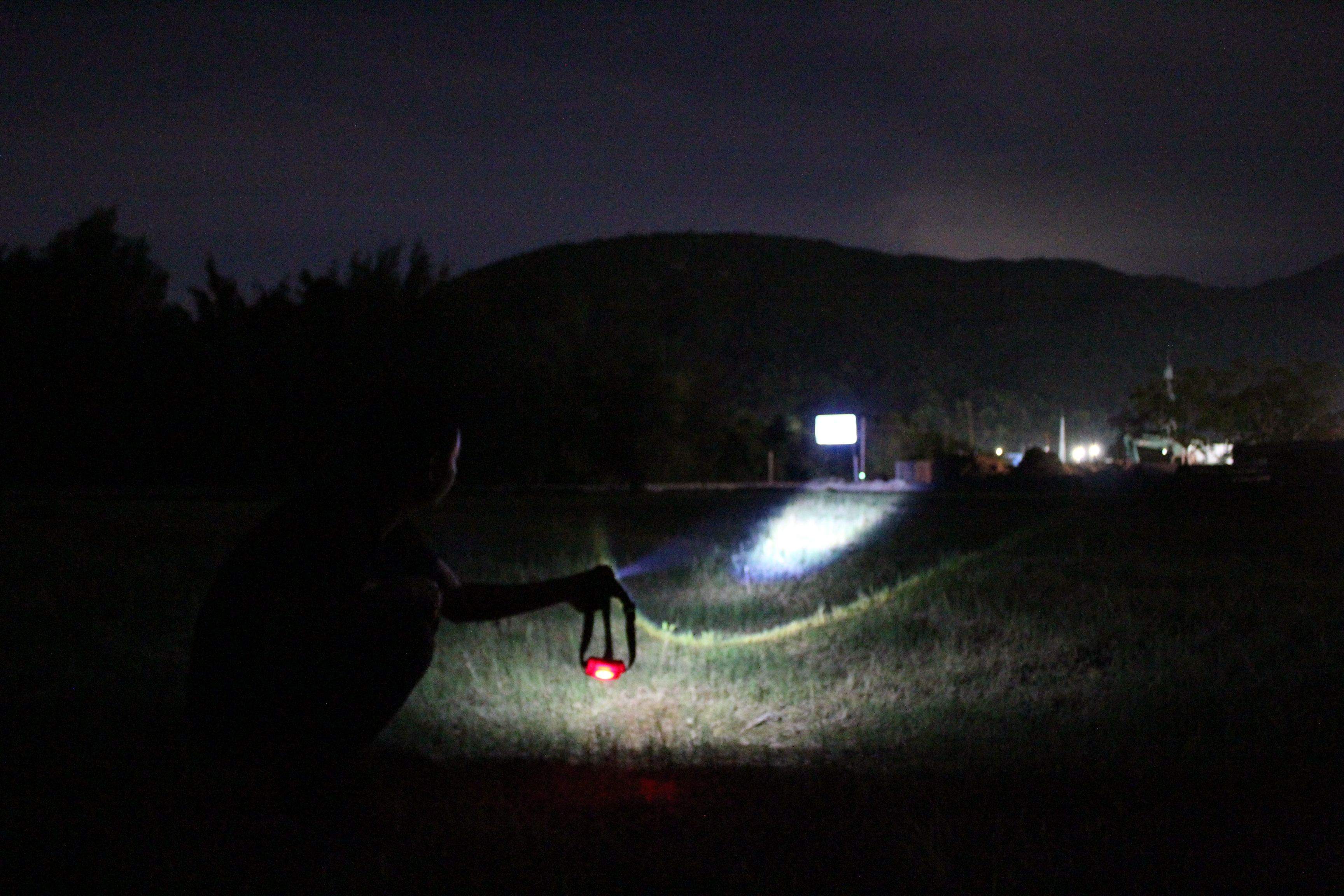
A headlamp is a reliable tool for camping, hiking, or working outdoors, but moisture inside can quickly reduce its performance. Foggy lenses or weak light are frustrating when you depend on it. Learning how to prevent moisture inside a headlamp helps you keep it working properly and ready whenever you need it.
Understanding Why Moisture Gets Inside A Headlamp
Common Causes Of Condensation
Condensation happens when warm, humid air gets trapped inside your headlamp and cools down. This process turns moisture into droplets on the lens or housing. Once water builds up, it can impact brightness and make the light less effective.
Temperature And Humidity Changes
Moving between hot and cold environments can cause your headlamp to fog up. For example, using it in cold weather right after being indoors allows moisture in the air to settle inside the lens. Quick shifts in temperature are a common reason moisture builds.
Poor Sealing Or Damaged Gaskets
If the seals or gaskets around your headlamp are worn out, water and humid air can seep inside. Even a small crack or gap in the housing may allow moisture to build up over time. Regular inspection helps catch these weak spots early.
Improper Storage Habits
Storing your headlamp in a damp place like a basement or leaving it outside can increase the chance of moisture. Humid storage environments slowly affect the inside, even if you’re not using it. Keeping it dry is key for long-term reliability.
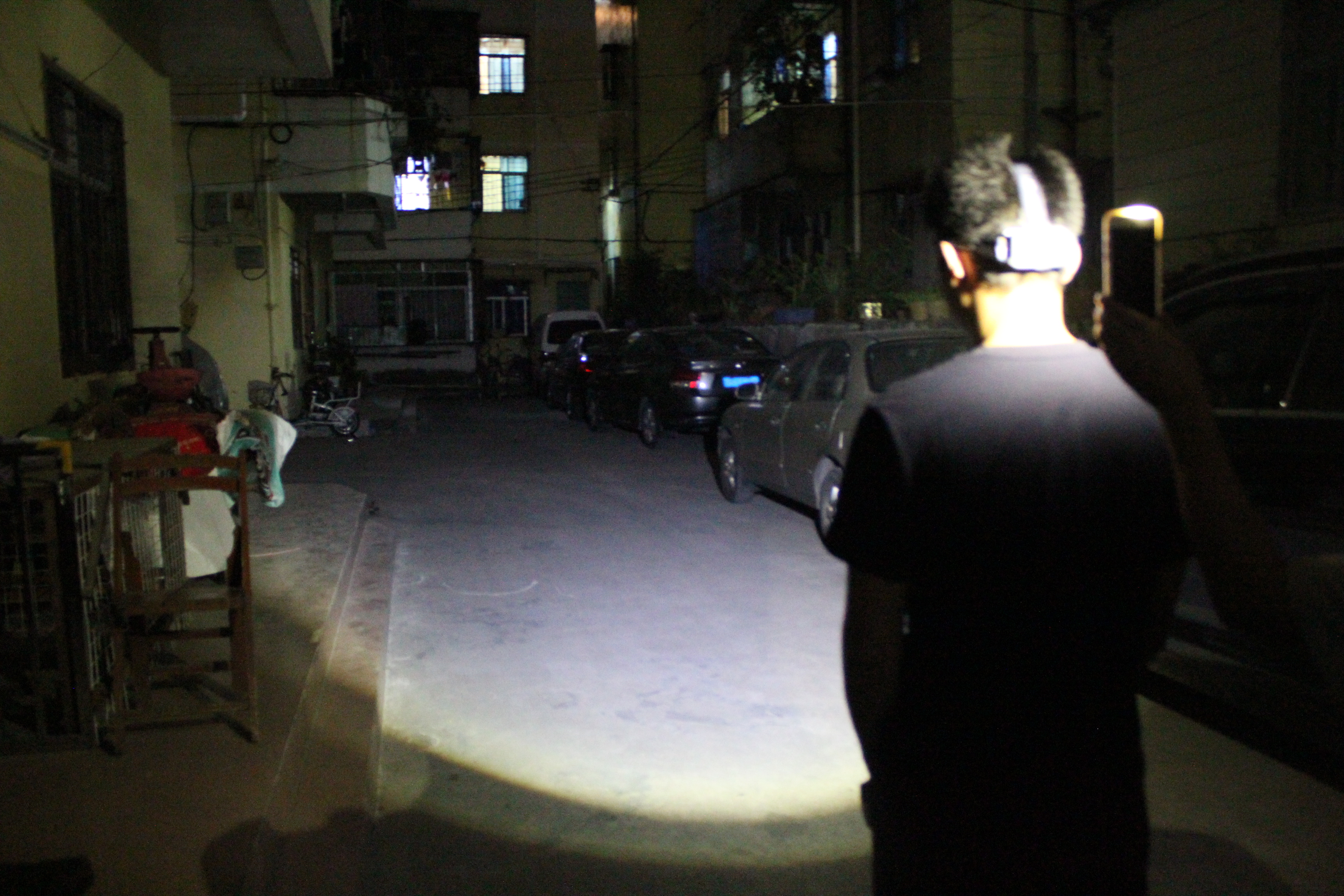
Signs Your Headlamp Has Moisture Issues
Foggy Or Cloudy Lens
A cloudy lens is often the first sign that moisture has entered your headlamp. The fog makes the beam weaker and scattered, which reduces visibility in the dark. It also indicates that condensation is forming inside the light housing.
Water Droplets Inside The Housing
If you see actual droplets inside your headlamp, that’s a clear signal of a moisture problem. These droplets can sit on electrical parts and lead to damage. The longer the water stays inside, the higher the risk of failure.
Reduced Brightness Or Flickering
Moisture can interfere with the electrical connections inside your headlamp. This may cause the beam to dim or flicker. If the light doesn’t stay consistent, it usually means that water or condensation is affecting the battery or circuits.
Corrosion Around Battery Contacts
Corrosion forms when moisture reaches the battery area of your headlamp. White or green buildup on the contacts is a sign of water damage. Corrosion not only reduces power flow but can also permanently harm the light if left untreated.
Preventing Moisture Before It Happens
Choose A Waterproof Or Water-Resistant Headlamp
When buying a headlamp, check its water protection rating. A waterproof or water-resistant model is less likely to trap moisture. This feature gives you extra protection when using it outdoors in wet conditions like rain or snow.
Inspect Seals And Gaskets Regularly
Seals and gaskets play a major role in keeping moisture out of your headlamp. Over time, they can wear down or crack. Checking them often and replacing when necessary helps prevent leaks before they become a bigger problem.
Store In A Cool, Dry Place
Proper storage is one of the simplest ways to prevent moisture in your headlamp. Avoid leaving it in damp basements or garages. Instead, store it indoors in a dry place, preferably in a container that protects it from humidity.
Use Protective Cases Or Dry Bags
A protective case or dry bag adds another layer of defense against moisture. Keeping your headlamp sealed when not in use prevents humid air or rain from getting inside. It’s a simple habit that extends the life of the light.
Practical Steps To Keep Your Headlamp Dry During Use
Avoid Submerging Beyond Rated Depth
Even if your headlamp is waterproof, it has limits. Exceeding its rated depth or exposing it to too much water increases the risk of leaks. Stick to the manufacturer’s recommendations to keep your light safe.
Wipe Off Sweat, Rain, Or Mud Quickly
During outdoor activities, sweat, rain, or mud can get on your headlamp. Wiping it off right away prevents moisture from seeping inside the seals. Regular cleaning while in use helps maintain clear lenses and strong light.
Keep Ventilation Ports Clear
Some headlamps have small ventilation features that allow air to flow. If dirt or debris blocks these, condensation may build up inside. Keeping them clear reduces the chance of fogging and keeps the light running well.
Avoid Rapid Temperature Swings
Going from warm indoors to freezing outdoors too quickly can cause moisture. If possible, let your headlamp adjust gradually to the new temperature. This small step helps reduce condensation inside the lens.
What To Do If Moisture Already Got Inside
Remove Batteries Immediately
If your headlamp gets wet, take the batteries out right away. This stops the chance of short circuits and prevents further damage. Removing power is the first step in saving your light from moisture issues.
Open The Housing And Let It Air Dry
After removing the batteries, open the housing and leave the headlamp in a dry, ventilated place. Allowing it to air dry naturally helps remove trapped moisture without adding extra stress to the components.
Use Silica Gel Packs Or Rice For Absorption
Placing silica gel packs near your headlamp can help pull out extra moisture. If you don’t have them, uncooked rice can work in a pinch. Both methods help dry out the interior safely.
Check For Damage Before Using Again
Before reinstalling batteries, check your headlamp carefully. Look for corrosion, weakened seals, or lingering moisture. If everything looks fine, you can use it again with more confidence in its safety.
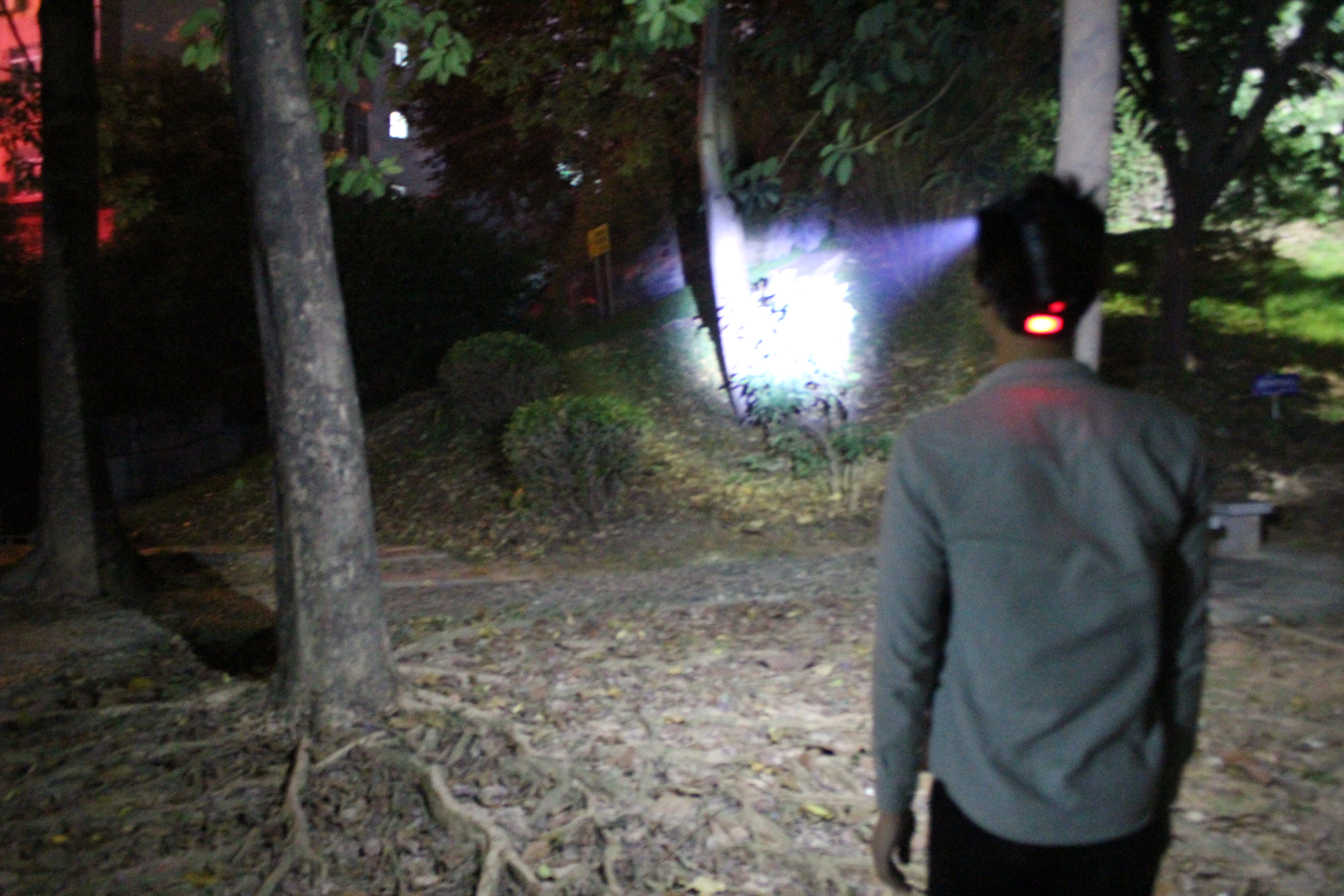
Long-Term Maintenance To Prevent Moisture Build-Up
Regular Cleaning Of Lens And Housing
How Do I Clean a Headlamp?Cleaning your headlamp regularly prevents dirt and moisture from sticking around. A simple wipe with a dry cloth keeps the lens clear and reduces the risk of fogging inside.
Replace Worn-Out Seals Or O-Rings
Over time, seals and O-rings lose their ability to block moisture. Replacing them ensures your headlamp stays protected. This small maintenance step can extend the life of your light.
Use Anti-Fog Or Moisture-Resistant Coatings
Applying an anti-fog or moisture-resistant coating to the lens can help keep it clear. This extra protection reduces condensation, especially when moving between different environments.
Recharge And Store Batteries Separately
When not in use, remove the batteries from your headlamp. Storing them separately prevents corrosion if any moisture sneaks inside. It also keeps the battery contacts in better condition over time.
Choosing The Right Headlamp To Avoid Moisture Problems
Look For IP Rating And Waterproof Standards
The IP rating tells you how well a headlamp resists water and dust. A higher rating means better protection. Always check this detail before buying to match your needs for outdoor use.
Pick Durable Materials And Construction
Headlamps like the HP130、HP300、HP330、HP340、HP350、HP360 and HP500 feature rugged housings and premium seals to effectively resist moisture, ensuring reliable performance even in humid conditions. Their lightweight construction makes them comfortable to wear while also being tough enough to withstand the wear and tear of daily use. Whether for outdoor adventures, nighttime work, or everyday backup, these models provide reliable lighting in all weather conditions.
Consider Brand Reputation And Reviews
Trusted brands usually test their headlamps more carefully for waterproofing. Reading reviews gives insight into how well the light performs in real conditions. This helps you choose with confidence.
Match Features To Your Outdoor Activities
If you’re camping, hiking, or working in wet areas, choose a headlamp built for those conditions. Matching the features to your activity helps you avoid future moisture issues and ensures your light is always reliable.
Conclusion
Keeping moisture out of your headlamp is all about prevention and smart care. By choosing a water-resistant model, storing it properly, and checking seals regularly, you reduce the risk of damage. If moisture does sneak in, quick action like removing batteries and drying the light can save it. Long-term care, such as cleaning and replacing seals, ensures your headlamp stays dependable.
For those who want a reliable option, Boruit offers durable headlamps designed to handle tough conditions. Alongside high-quality flashlights, bike lights, and even an Underwater Flashlight, Boruit builds lighting gear that helps you face any adventure with confidence. Choosing the right equipment makes your outdoor experience safer, brighter, and worry-free.
Related Reading: