
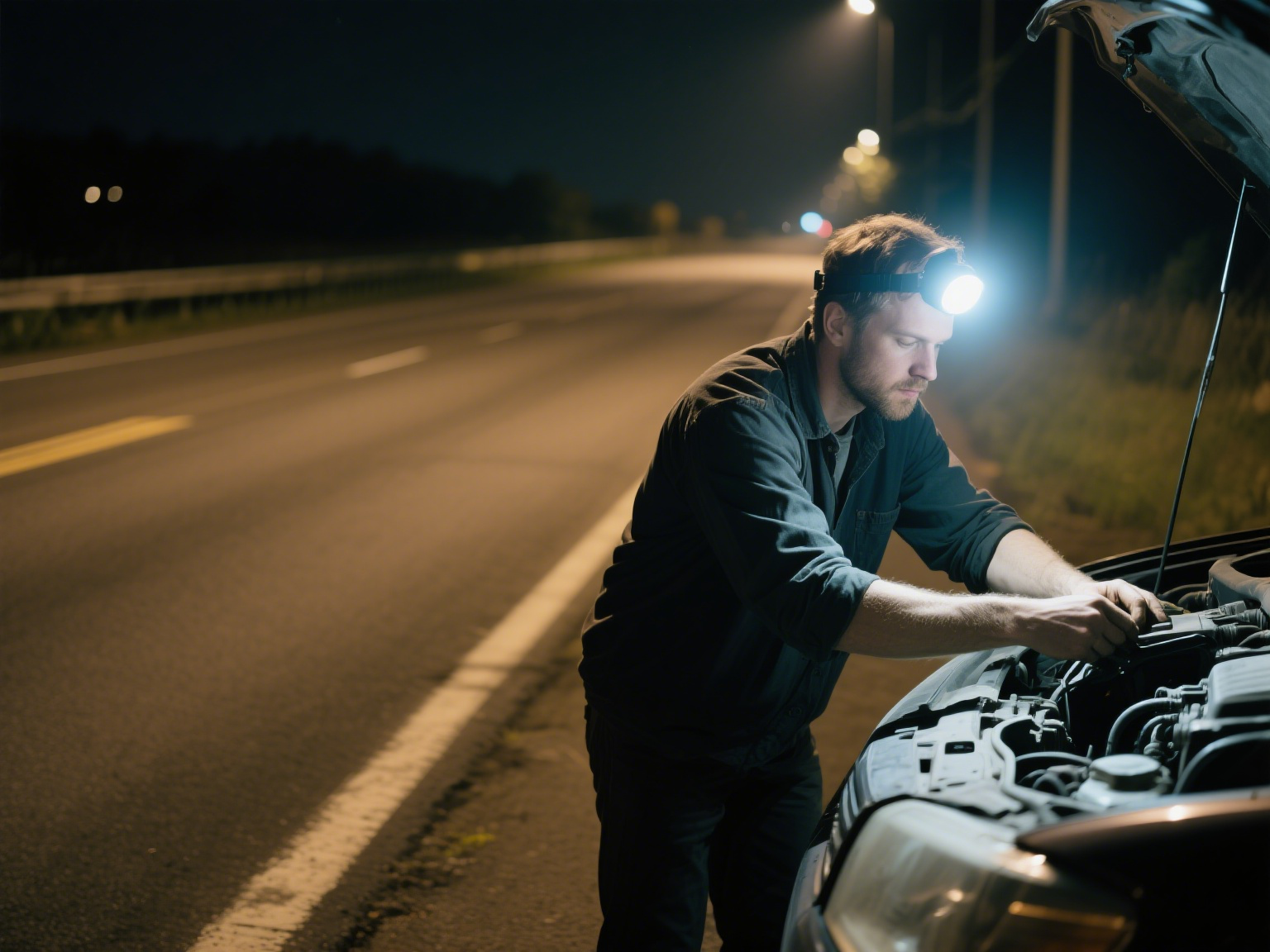
Choosing the right headlamp mode can make a big difference in how long your light lasts. Many users rely on headlamps for camping, hiking, or nighttime activities, but not all modes are equal when it comes to battery consumption. Understanding which mode saves the most energy helps you plan your trips better, reduce unnecessary battery replacements, and enjoy longer-lasting light. This guide explains the most efficient headlamp modes and provides practical tips for maximizing battery life.
Understanding Headlamp Modes
Types Of Headlamp Modes
Headlamps usually offer several modes, including high, medium, low, strobe, and red light. Each mode provides different brightness levels and serves specific purposes. High mode gives maximum illumination but uses the most battery, while low and red modes conserve power. Understanding these options helps you choose the right mode for your activity and energy needs.
Power Consumption Differences
Not all headlamp modes consume energy equally. High mode drains batteries quickly, while low and red modes are much more energy-efficient. Modes like strobe or SOS have bursts of brightness that spike power use but are typically short-lived. Knowing how each mode affects battery life allows you to manage your light effectively.
Typical Use Cases For Each Mode
Each headlamp mode has practical applications. High mode works best for long-distance visibility or navigating dark trails. Low mode is ideal for reading maps or close-up tasks. Red light is excellent for preserving night vision. Choosing the right mode for the task helps conserve battery while still providing sufficient illumination.
How Mode Choice Impacts Battery Life
The choice of headlamp mode directly affects runtime. Using high mode continuously can quickly drain batteries, leaving you in the dark. Low and red modes stretch battery life, making your headlamp reliable for longer trips. Being mindful of mode selection ensures you have light when it’s most needed.
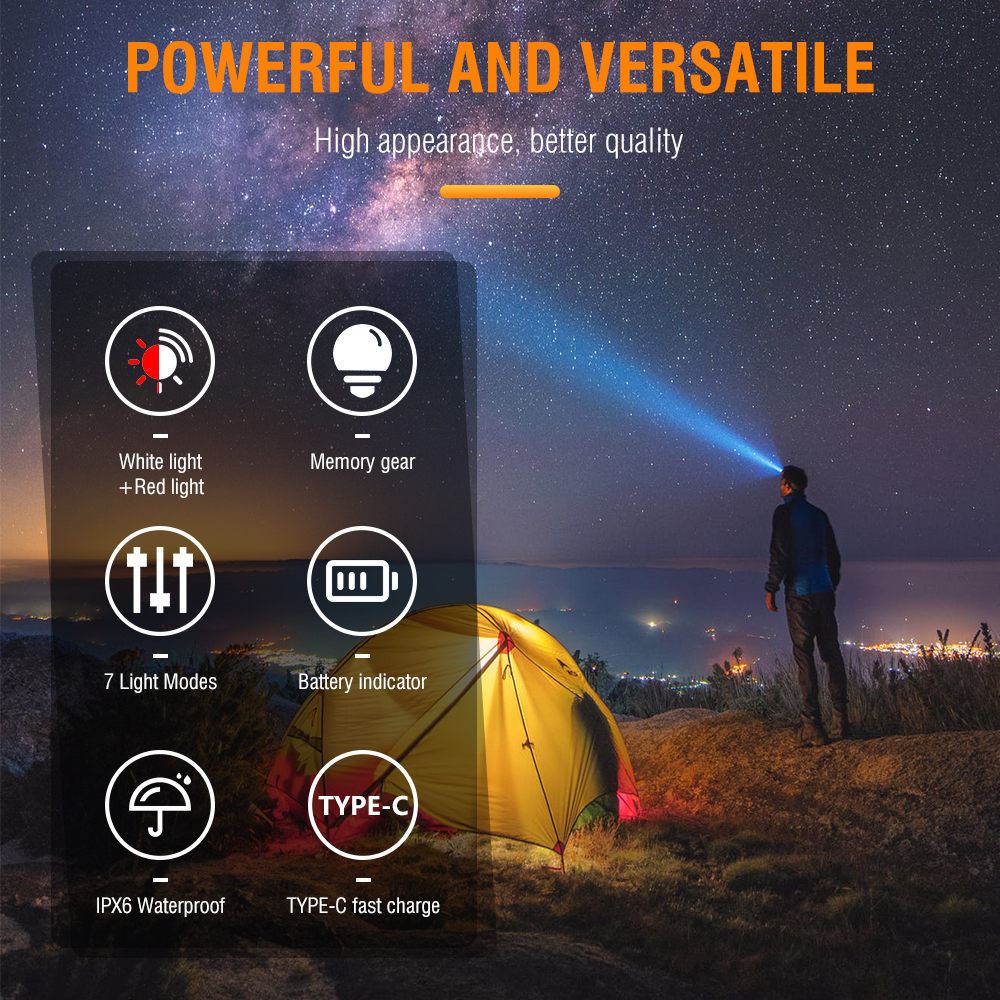
Low Mode Headlamps and Battery Savings
Why Low Mode Uses Less Energy
Low mode consumes less energy because it uses fewer lumens, reducing the power draw. For most close-range activities, low mode provides enough light without draining the battery quickly. Choosing this mode when full brightness isn’t necessary can significantly extend your headlamp’s runtime.
Ideal Scenarios For Low Mode
Low mode works well for tasks that don’t require intense illumination, such as setting up a tent, reading, or cooking outdoors. It’s perfect for situations where conserving energy is more important than maximum brightness. Using low mode regularly can keep your headlamp functional for longer periods.
Comparing Low Mode With Medium And High
Medium mode provides a balance between brightness and battery life, while high mode consumes power rapidly. Low mode, by contrast, is the most energy-efficient for everyday tasks. Understanding these differences allows you to choose the mode that matches your needs without wasting power.
Tips To Maximize Efficiency In Low Mode
To get the most out of low mode, adjust the headlamp angle to focus light where you need it most. Avoid unnecessary use of high settings, and combine low mode with red light when possible. Small adjustments can make a noticeable difference in battery life.
Red Light Mode and Energy Efficiency
What Is Red Light Mode?
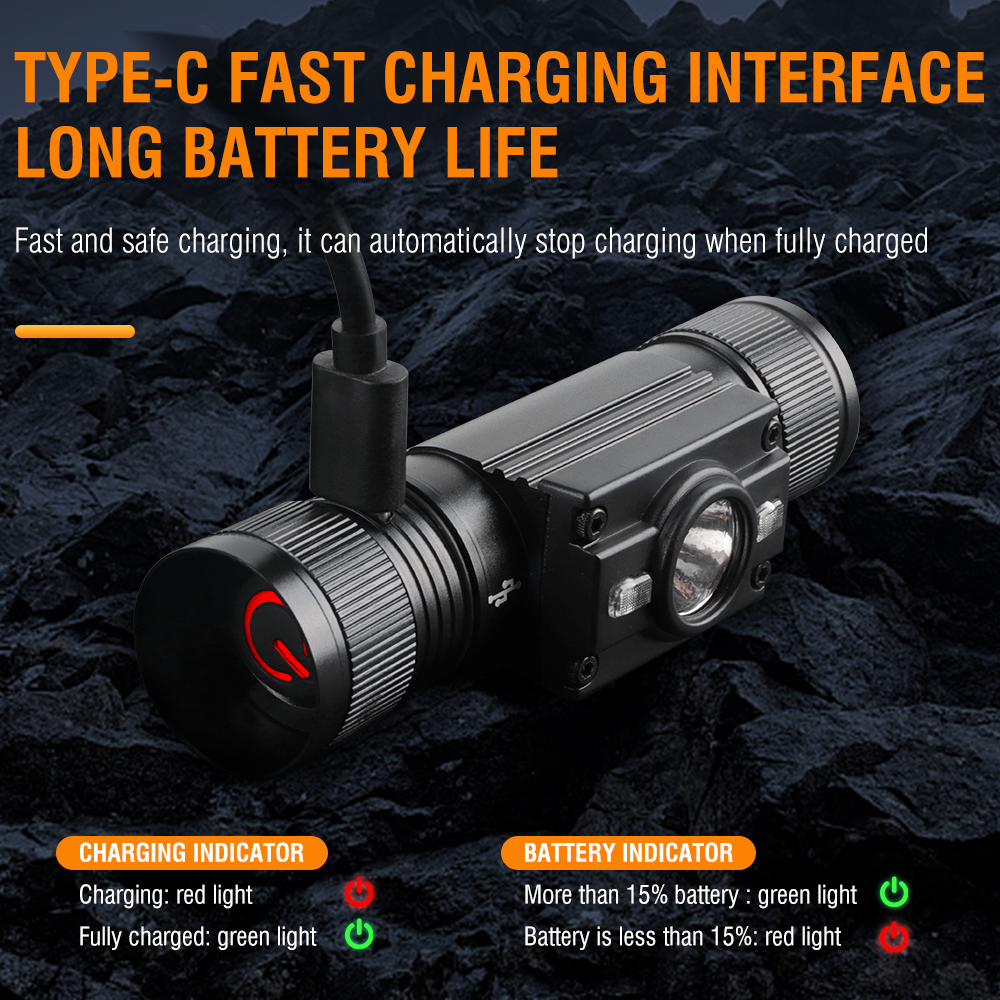
Red light mode uses LEDs that emit red wavelengths, which consume less energy than white light. This mode is specifically designed to provide enough illumination for close tasks while minimizing battery usage. It’s commonly included in headlamps for energy-conscious users.
Battery Advantages Of Red Light
Red LEDs require significantly less power than white LEDs, making red light mode one of the most battery-efficient options. Using red light for prolonged periods helps preserve your headlamp’s battery and keeps it ready for longer adventures.
Use Cases For Red Light Mode
Red light is ideal for activities where night vision needs to be preserved, like navigating trails, reading maps, or observing wildlife. It provides enough illumination for essential tasks without consuming much power.
Combining Red Light With Low Mode
Combining low mode and red light allows users to maximize efficiency. This combination provides adequate visibility while significantly extending battery life. Alternating modes based on task needs is a practical approach for energy conservation.
Strobe and Special Modes Impact on Battery
Understanding Strobe Mode
Strobe mode flashes rapidly and is primarily designed for signaling or emergencies. While useful, it consumes more power during active flashes, making it less efficient for long-term lighting needs.
How Strobe Affects Battery Life
Strobe and other flashing modes create short bursts of high energy use, which can reduce overall battery life if used continuously. These modes are best reserved for critical situations, not everyday tasks.
Other Special Modes
Some headlamps feature SOS, beacon, or flashing modes. These are helpful for emergencies but generally use more power than standard low or red modes. Using them wisely ensures you don’t waste battery during routine use.
When To Use Special Modes Sparingly
Special modes should be used only when necessary. Activating strobe or SOS in non-emergency situations will quickly deplete battery reserves, potentially leaving you without light when you need it most.
Battery Type and Capacity Influence
Alkaline Vs Rechargeable Batteries
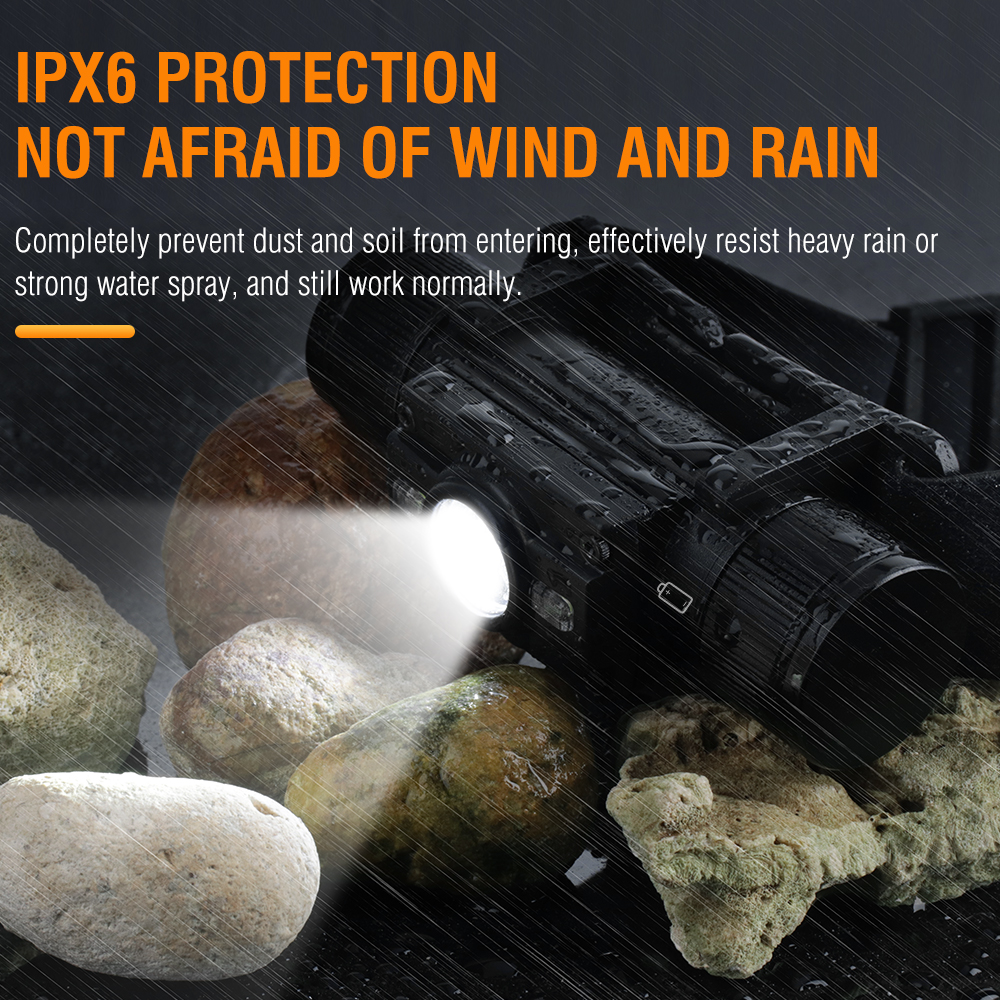
Alkaline batteries offer reliable performance, but rechargeables can be more cost-effective and eco-friendly. Battery type directly affects how long your headlamp can run on any mode. Choosing the right type helps balance performance and energy use.
How Battery Age Affects Runtime
Older batteries lose capacity over time, reducing headlamp runtime regardless of mode. Regularly replacing or rotating batteries ensures your headlamp continues to perform efficiently.
Choosing Batteries For Maximum Efficiency
Selecting high-quality batteries suitable for your headlamp model maximizes energy efficiency. Rechargeable batteries with high capacity can extend runtime in low or red light modes, making your headlamp more reliable.
Optimizing Charging Habits
Proper charging and storage of batteries prevent unnecessary energy loss. Avoid overcharging or leaving batteries unused for long periods. Maintaining healthy batteries ensures consistent performance and longer runtime.
Practical Tips to Extend Headlamp Battery Life
Adjust Brightness According To Need
Using only the brightness you need helps save energy. Avoid running high mode unnecessarily, especially for tasks that low or red mode can handle comfortably. Small adjustments can greatly extend battery life.
Turn Off When Not In Use
Simply turning off the headlamp when not required is a powerful way to conserve power. Even brief periods of unnecessary illumination can add up over time and reduce overall battery efficiency.
Store Properly Between Uses
Store your headlamp in a cool, dry place when not in use. This prevents battery drain and ensures it’s ready when you need it. Proper storage habits support long-term efficiency and performance.
Combine Modes Strategically
Switching between low and red light modes depending on the task can optimize battery use. Strategic mode management ensures you always have enough light while extending battery life.
Regular Maintenance
Keep battery contacts clean and inspect the headlamp for corrosion. Well-maintained headlamps function more efficiently, reducing unnecessary energy loss and improving battery performance.
Read More:How Do I Clean a Headlamp

Common Mistakes That Drain Headlamp Battery
Leaving High Mode On Too Long
Many users overuse high mode, which quickly drains batteries. Reserving high mode for essential tasks ensures your headlamp remains usable for longer periods.
Ignoring Battery Indicators
Failing to monitor battery levels can lead to unexpected shutdowns. Paying attention to battery indicators helps you switch modes or recharge before the headlamp dies.
Using Incorrect Batteries
Using batteries not recommended for your headlamp reduces efficiency and can cause inconsistent performance. Always follow manufacturer guidelines for the best results.
Extreme Temperatures
Cold or hot conditions can affect battery performance. Keeping your headlamp and batteries within recommended temperature ranges ensures optimal energy use and prevents premature drain.
Conclusion
Maximizing your headlamp battery life requires understanding which modes use the least power and using them strategically. Low and red light modes are typically the most energy-efficient, while high and strobe modes should be used sparingly. Pairing these modes with proper battery care ensures longer runtime during any adventure. For reliable and efficient lighting, explore Boruit’s range of headlamps, flashlights, bike lights, and Underwater Flashlight, designed to provide durable illumination while saving battery power for your outdoor needs.
Related Reading: